Babies born on or after 1 January 2020 have 2 doses of pneumococcal vaccine at. The frequency of pneumonia vaccine depends on your age and overall health.
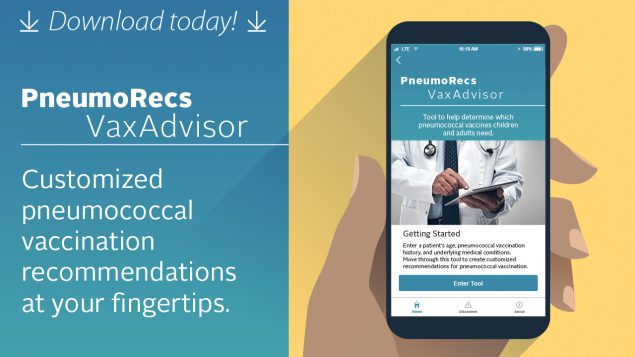 Pcv13 Pneumococcal Conjugate Vaccine For Adults For Providers Cdc
Those 19-64 years old who have certain chronic conditions such as diabetes heart disease or COPD.
How often do you get pneumococcal vaccine. 3 in 4 adults 65 years or older against invasive pneumococcal disease. It is different from flu shots that you need to get every year. An annual flu shot influenza vaccine is probably also indicated.
A healthy child received only one dose of PCV13 at age 10 months. The CDC recommend the following schedules. 9 in 20 adults 65 years or older against pneumococcal pneumonia.
People aged 65 and over only need a single pneumococcal vaccination. If youre a healthy adult over 65 youll need both. Its best to get vaccinated.
How you get it. Sequential administration and intervals when applicable 1ab For pneumococcal vaccine-naïve persons aged 65 years For all appropriate persons who only received a dose of Prevnar 13 at or after age 65 based on prior 2014 CDC recommendations administer a dose of PNEUMOVAX 23 at least one year later. Patients with underlying chronic disease should probably be revaccinated every 5 years.
Children who fall behind should be given catch-up vaccination through age 59 months if otherwise healthy or through age 71 months if they have certain underlying medical conditions. Once a dose of PPSV23 is given at age 65 years or older no additional doses of PPSV23 should be administered. The timing and sequence of them.
How often a person should get the pneumonia vaccine depends on their age and overall health. A second dose may be indicated depending on the medical condition. The pneumococcal vaccines given as an injection at your GP practice.
Pneumococcal vaccine 13-valent PCV13 is indicated for active immunization for the prevention of pneumonia and invasive disease caused by Streptococcus pneumoniae serotypes 1 3 4 5 6A 6B 7F 9V 14 18C 19A 19F and 23F. How often should I be vaccinated. How often and when.
The above figure outlines the Advisory Committee on Immunization Practices recommended intervals for sequential use of 13-valent pneumococcal conjugate vaccine PCV13 Prevnar 13 and 23-valent pneumococcal polysaccharide vaccine PPSV23 Pneumovax 23 for immunocompetent adults aged 65 years in the United States. 65 years or older regardless of previous history of vaccination with pneumococcal vaccines. How often is the pneumococcal vaccine given.
Get it at least once in your life especially if youre over 64. There are two types of pneumococcal vaccines available for adults. It provides some protection against one of the most common causes of meningitis and against other conditions such as severe ear infections and pneumonia caused by pneumococcal bacteria.
If youre at increased risk of a pneumococcal infection youll be given a single dose of the PPV vaccine. A pneumococcal polysaccharide vaccine PPSV23 and a pneumococcal conjugate vaccine PCV13. Find out who should have the pneumococcal vaccine.
She is now 6 years old. For most people one of each shot should be enough to protect them. In healthy adults revaccination is not indicated necessary.
The Pneumovax 23 covers twenty three different variants of the pneumococcal bacteria. Regardless of age pneumococcal vaccination should be started at 3 to 9 months after HSCT with 3 doses of Pneu-C-13 vaccine administered at least 4 weeks apart followed by 1 dose of Pneu-P-23 vaccine 12 to 18 months post-transplant 6 to 12 months after the last dose of Pneu-C-13 vaccine or when the HSCT recipient reaches 2 years of age. 19 through 64 years with certain medical conditions.
This is because your levels of antibodies against the infection decrease over time. At least 8 in 10 babies from serious infections called invasive pneumococcal disease. The pneumonia shot is an effective way to help prevent complications caused by a bacterial infection.
First the PCV13 shot and then the PPSV23 shot a year or more later. For adults aged 65 years with immunocompromising conditions. But if your spleen does not work properly or you have a chronic kidney condition you may need booster doses of PPV every 5 years.
However it is usually enough to get the pneumonia shot once or twice during adulthood to protect yourself from pneumococcal disease. Adults with kidney disease kidney failure or a kidney transplant need to receive both vaccines. The CDC recommends that all children aged 11 to 12 years receive their first dose of meningococcal vaccine followed by a booster shot at age 16.
Infants should receive the PCV13 vaccine at 2 4 6 and. Studies show that getting at least 1 shot of PCV13 protects. The Centers for Disease Control and Prevention CDC recommends one shot of PNEUMOVAX 23 for.
4 Between ages 16 and 18 all teenagers can also get the serogroup B meningococcal vaccine and the CDC recommends it especially for preteens and teens if they are taking Soliris have asplenia or spleen damage have complement component deficiency or plan to travel to places at increased risk of meningococcal outbreak. All adults 65 even if you already had a different pneumococcal vaccine. Babies born before this date will continue to be offered 3 doses at 8 and 16 weeks and a booster at 1 year.
People who need a pneumonia vaccine should get both shots. Pneumococcal vaccine can be given any time of the year. There are two of these vaccines.

